

Surgical Typodont Training Models in Dental Education: From Simulation to Full Clinical Workflow
7 September, 2026Building Clinical Confidence Before the First Patient
Dental education is a progressive journey from foundational skills to complex clinical procedures. Before graduating, students complete hundreds of hours of preclinical simulation — beginning with basic handpiece control, crown preparation, and cavity work, advancing toward osteotomy drilling, implant placement, and multi-visit root canal treatment. At the center of surgical preclinical training is the surgical typodont model: a purpose-built anatomical replica that allows students to develop hand skills, eye-hand coordination, and ergonomic posture in a controlled, risk-free environment.
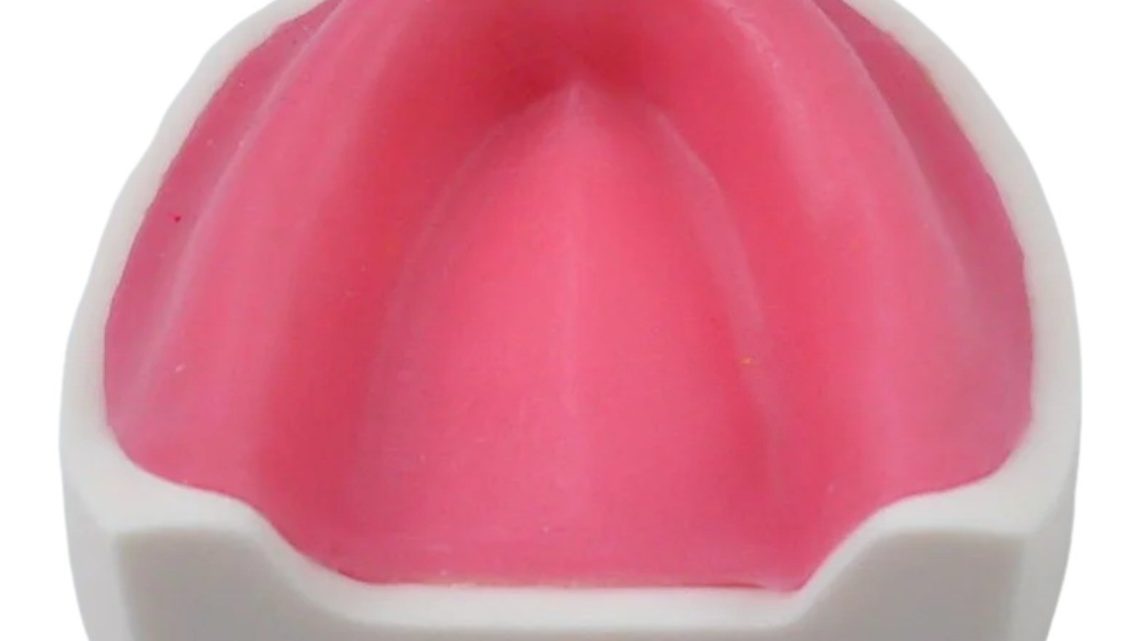
The edentulous surgical typodont replicates the anatomical variation found in real patients. Different arch forms and ridge morphologies prepare students for the high-frequency cases they will encounter in practice — most commonly single-tooth implant placement in the posterior mandible and maxilla. With an HD75 Shore hardness resin core simulating Type II cancellous bone, the model delivers accurate drilling resistance and realistic torque feedback. The removable soft silicone gingiva layer enables full soft tissue management practice: flap design, freehand incision at any angle, and suturing technique — the complete sequence a student must master before stepping into an operatory.
Simulating the Surgical Procedure
Realistic surgical simulation requires not only an accurate bone model but also the correct instrumentation. In a well-structured preclinical lab, students work with a programmable surgical motor unit alongside a 20:1 reduction implant handpiece for controlled low-speed osteotomy preparation, following the sequential drilling protocol recommended by implant manufacturers. A 1:1 straight handpiece is introduced for cortical bone penetration and initial pilot drilling where direct axial access is required. Extra-length 70mm surgical carbide burs allow students to practice drilling in posterior regions where access depth and angulation are among the most common clinical challenges.
This instrumentation setup mirrors the actual chairside workflow, ensuring that the tactile experience on the typodont model is directly transferable to the clinic. Students learn to read drilling resistance, manage irrigation, and develop consistent implant axis control — skills that are difficult to acquire without structured simulation repetition.
From Surgical Typodont to Digital Laboratory Workflow
Implant dentistry does not end with osseointegration. The prosthetic phase demands an equally rigorous set of competencies, and this is where the seamless cooperation between the dental office and the dental laboratory defines the quality of the final outcome. A modern dental school should equip students with exposure to the full digital prosthetic workflow so that clinical decision-making is always informed by an understanding of what the laboratory can achieve.
Following the surgical simulation, a dental laboratory studio where vairous of prostheses are fabricated here. Students scan the typodont model on a benchtop dental scanner, generating a digital working model that enters the CAD design phase. A provisional crown is designed in CAD software and fabricated on a 3D resin dental printer, then post-processed in a resin curing chamber to achieve the required mechanical strength and biocompatibility for intraoral use. Post-processing cleaning units remove residual uncured resin, ensuring a clean surface before polishing and delivery. This provisional phase teaches students how digital design parameters — emergence profile, occlusal clearance, and axial contour — directly influence soft tissue conditioning around the implant prior to final restoration.
Precision Prosthetics: Milling, Abutments, and Zirconia
The permanent prosthetic phase introduces students to the most technically demanding segment of the implant workflow. A custom-angle titanium abutment is designed in CAD software to compensate for implant axis divergence, then milled on a hybrid wet and dry CAD/CAM milling unit. Wet milling is employed for zirconia crown fabrication, where coolant prevents micro-cracking during high-speed material removal. The milled zirconia crown then enters a sintering furnace for final densification, achieving full strength and the translucency required for an aesthetic anterior or posterior restoration. For the titanium abutment, an anodizing unit applies a controlled oxide layer to the implant-facing surface — improving biological integration and surface compatibility.
The dental technician mounts the 3D-printed resin model on an articulator, verifying occlusion and interproximal contacts before dispatching the restoration to the clinic. This bench try-in step is where artistic craftsmanship and clinical precision intersect. The technician refines the anatomy, checks the emergence profile against the soft tissue model, and confirms that the restoration communicates seamlessly with the opposing arch. It is here that the cooperation between the dental office and the laboratory becomes most visible — and most consequential.
Digital Brochure Solution
For dental schools and training centers building or expanding a preclinical simulation program, sourcing consistent, specification-matched equipment across surgical and laboratory disciplines is essential. Dentsma provides a dental supply digital platform where institutions can browse surgical typodont training models, implant surgical equipment, and full digital laboratory solutions in detail. Simulation models can be customized to institution-specific training drawings, enabling programs to replicate the exact case scenarios their curriculum demands. For large-dimension laboratory equipment, Dentsma supports remote after-sales service to ensure uninterrupted operation — keeping the training workflow running from the simulation bench to the final prosthetic delivery.
Closing the Loop: Chairside Delivery
Back at the simulation station, the student receives the completed abutment and crown assembly. The custom titanium abutment is torqued to the implant analog at the prescribed value, the zirconia crown is bonded under controlled conditions, and occlusal adjustment is completed with fine finishing burs. This final step closes the loop between surgical simulation and prosthetic delivery — giving the student a complete, end-to-end experience of the implant case before encountering it in a clinical environment.
The integration of surgical typodont training model with digital laboratory workflow is not a luxury in modern dental education — it is the standard that prepares graduates to communicate fluently with laboratory technicians, make prosthetically driven surgical decisions, and deliver restorations that are as functional as they are artistic. Mastering this full workflow in simulation is what separates a confident clinician from one still learning on the job.
